
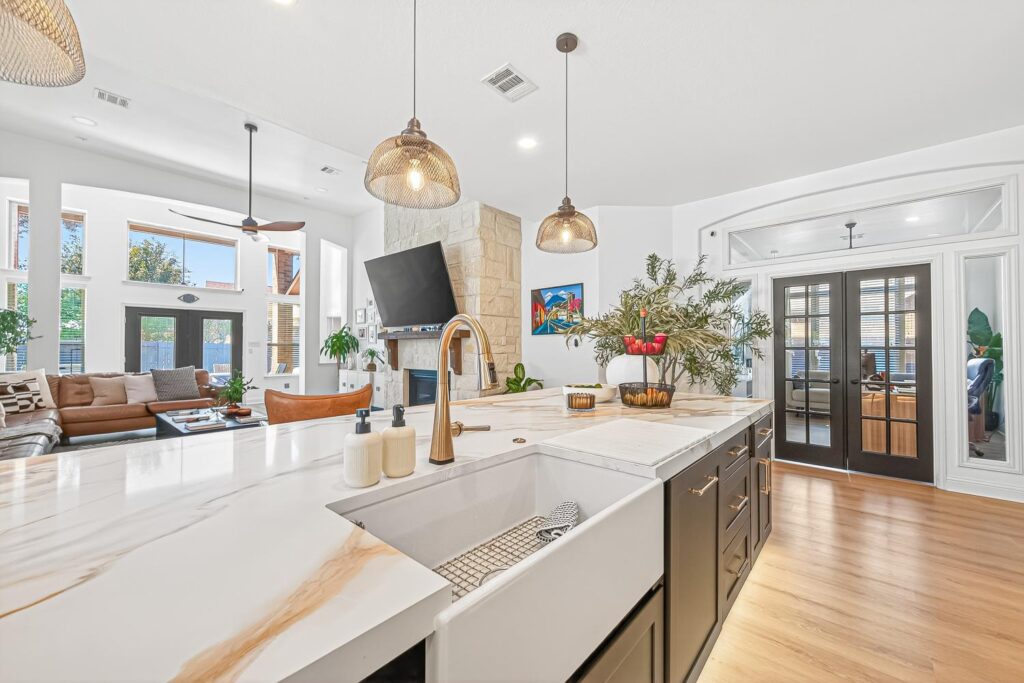
The traditional American housing model is undergoing a massive shift as more households embrace the benefits of multi-generational living. Whether driven by rising real estate costs, the desire for closer family bonds, or the need for reliable elder care, families are looking for ways to stay together without sacrificing personal space.
Accessory Dwelling Units (ADUs)—also known as granny flats or backyard cottages—have emerged as the premier solution for this modern dynamic. By providing a self-contained, secondary residence on the same lot as the primary home, ADUs allow families to balance the warmth of proximity with the necessity of independence, creating a sustainable living arrangement that serves everyone from toddlers to grandparents.
Maintaining Independence with Proximity
The biggest hurdle in multi-generational living is the “too many cooks in the kitchen” syndrome. An ADU solves this by providing a completely separate living environment that includes its own kitchen, bathroom, and entrance.
- Separate Entrances: Allows seniors to come and go as they please without disrupting the main house’s schedule.
- Private Kitchens: Enable in-laws to maintain their own dietary habits and mealtime traditions.
- Dedicated Living Areas: Provides a space for grandparents to host their own friends or enjoy quiet hobbies away from the noise of a busy household.
- Personalized Climate Control: Seniors often prefer warmer temperatures than younger family members; separate units allow for individual thermostat settings.
This physical separation acts as a psychological buffer that prevents the friction often associated with sharing a single hallway or kitchen. It ensures that family time is a choice rather than a constant, forced requirement.
Enhancing Safety and Accessibility for Aging in Place
When designing an in-law suite, the focus must shift toward “Universal Design” to ensure the occupant can live there safely for years to come. ADUs are often easier to customize for accessibility than a renovated bedroom inside an older, multi-level primary home.
- Zero-Step Entries: Removing thresholds at the front door prevents trip hazards for those with limited mobility or wheelchairs.
- Walk-In Showers: Incorporating curbless showers with grab bars and built-in benches significantly reduces the risk of falls.
- Widened Doorways: Ensuring all interior doors are at least 32 to 36 inches wide allows for easy navigation with walkers.
- Strategic Lighting: Using motion-sensor floor lighting helps seniors navigate the unit safely during the night.
By building from the ground up or converting a garage, you can prioritize safety features that are integrated seamlessly into the aesthetic of the home. These modifications allow aging parents to maintain their dignity and autonomy while remaining just a few steps away from help.
Financial Advantages and Long-Term Wealth Building
Building an ADU for an in-law suite is often a more fiscally responsible move than paying for a private assisted living facility. It transforms a monthly expense into a long-term property investment.
- Eliminating Rent/Facility Fees: The cost of a monthly mortgage on an ADU is often significantly lower than the five-figure monthly costs of high-end senior living.
- Increased Property Value: Adding a legal second unit typically increases the resale value of the property by a substantial margin.
- Tax Benefits: Homeowners may be eligible for various tax deductions related to home improvements or caring for a dependent relative.
- Future Rental Income: If the in-laws eventually move or no longer need the space, the unit can be transitioned into a traditional long-term or short-term rental.
This strategy keeps family wealth within the family rather than transferring it to a third-party care corporation. It provides a safety net that protects the family’s financial future while solving an immediate housing need.
Strengthening the Family Support System
The “sandwich generation”—adults caring for both their children and their aging parents—finds immense relief in the ADU model. The logistics of childcare and elder check-ins become infinitely simpler when everyone is on the same parcel of land.
- Built-in Childcare: Grandparents often enjoy being part of their grandchildren’s daily lives, providing a trusted source of childcare.
- Mental Health Benefits: Regular social interaction reduces the risk of isolation and depression in seniors, which is a common issue in traditional retirement homes.
- Shared Responsibilities: Tasks like yard work, grocery shopping, and home maintenance can be split among the adults in the “family compound.”
- Quick Emergency Response: Having family members nearby means that if a fall or medical emergency occurs, help is available in seconds rather than minutes.
The emotional security provided by this arrangement is immeasurable, fostering deep bonds between generations that would be difficult to maintain with a thirty-minute cross-town drive in the way.
Navigating Local Zoning and Permitting
While the benefits are clear, the success of an ADU depends on understanding the local regulations in your specific municipality. Many states have recently passed laws making it easier to build these units to combat housing shortages.
- Permitted Size: Most areas allow ADUs up to 800 or 1,000 square feet, depending on the size of your primary lot.
- Setback Requirements: You must ensure the unit is a specific distance from the property lines to comply with fire and safety codes.
- Utility Connections: Planning for water, sewer, and electrical tie-ins to the main house is a critical early step in the budget process.
- Owner-Occupancy Rules: Check if your city requires the homeowner to live in either the primary house or the ADU.
Understanding these technical requirements early prevents costly delays and ensures your in-law suite is a legal, safe addition to your home. Doing the legwork now guarantees a smooth transition for your family later.
Future-Proof Your Home for the Ones You Love
The decision to build an ADU is an investment in your family’s quality of life and long-term stability. By creating a space that honors both the need for privacy and the value of togetherness, you are providing your parents with a dignified, safe, and loving environment for their golden years.
At the same time, you are securing a versatile asset that will serve your family for decades to come. Don’t wait until a health crisis or a financial shift forces your hand—start planning your multi-generational sanctuary today and give your family the gift of proximity without the pressure.